


Understanding critical Red Bull facts from a B2B procurement perspective requires an analytical deep dive into its complex ingredient matrix and the rigorous supply chain dynamics that ensure product consistency and regulatory compliance. For beverage manufacturers, the challenge isn’t merely sourcing components; it’s about securing high-grade agricultural commodities and specialty ingredients that meet stringent global standards, often under fluctuating market conditions. D-P specializes in navigating these intricate global supply chains, providing unparalleled expertise in sourcing foundational ingredients like sugar, caffeine, and a suite of B-vitamins, all while upholding the highest benchmarks for quality assurance and traceability. Our focus is on empowering procurement managers to make informed decisions that safeguard product integrity and optimize operational efficiency.
For a broader understanding of ingredient sourcing in the beverage sector, we invite you to explore our comprehensive resource on global beverage ingredients sourcing, which delves into overarching strategies and market insights critical for strategic procurement.
Table of Contents
- Decoding Red Bull Facts: A Procurement Perspective on Ingredient Integrity
- The Core Ingredients: Sugar and Caffeine Sourcing Standards
- Quality Control and Compliance: Ensuring Consistency for Red Bull Facts
- Optimizing the Red Bull Supply Chain: Logistics and Sustainability
- Frequently Asked Questions
- Conclusion

Decoding Red Bull Facts: A Procurement Perspective on Ingredient Integrity
The global energy drink market, spearheaded by brands like Red Bull, demands an unwavering commitment to ingredient quality, consistency, and supply chain resilience. For B2B procurement managers, understanding these fundamental Red Bull facts translates into strategic sourcing decisions that directly impact final product efficacy and consumer safety. The critical first step involves dissecting the complex formulation to identify key agricultural commodities and specialty chemicals that D-P can rigorously vet and supply.
Navigating the Global Commodity Landscape
Sourcing ingredients for a globally distributed product like Red Bull requires deep insight into international commodity markets. Sugar, often derived from cane or beet, is a prime example. Its price volatility, regional production fluctuations, and diverse quality grades necessitate robust global sugar procurement strategies. Similarly, caffeine, whether sourced from natural extracts like coffee or tea or acquired as a synthetic compound, must meet exacting purity standards. D-P’s expertise in these markets ensures stable access to compliant ingredients, minimizing supply disruptions and price exposure for our clients.
Traceability and Transparency Challenges
A significant challenge in the modern supply chain is achieving end-to-end traceability. For ingredients used in Red Bull, knowing the origin of sugar, the manufacturing process of caffeine, or the source of specific B-vitamins is paramount. This transparency is not just about regulatory compliance; it builds consumer trust and allows for swift action in case of quality deviations. D-P implements advanced tracking systems and conducts thorough supplier audits to ensure every batch of commodity can be traced back to its source, providing our B2B partners with complete peace of mind and supporting their commitments to ethical and sustainable sourcing.
The Core Ingredients: Sugar and Caffeine Sourcing Standards
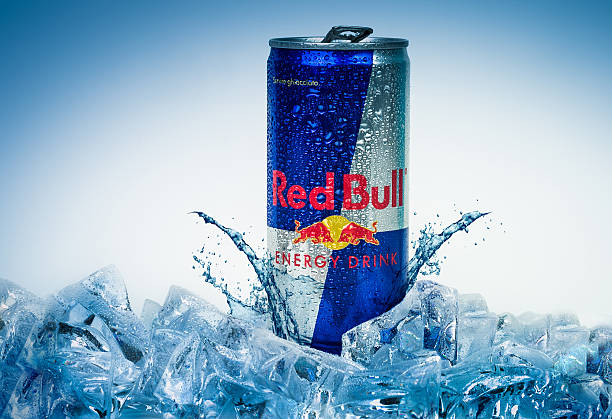
The signature taste and energizing effect of Red Bull are primarily attributed to its precise blend of sugar and caffeine. For procurement specialists, understanding the technical specifications and sourcing nuances of these components is crucial, forming the bedrock of accurate Red Bull facts in supply chain management.
Granulated Sugar Specifications for Beverage Production
Granulated sugar, typically sucrose, is a major caloric component. For beverage applications, the purity, color, and particle size distribution are critical. ICUMSA (International Commission for Uniform Methods of Sugar Analysis) ratings are universally used, with ICUMSA 45 being the standard for high-quality refined white sugar suitable for clear beverages. D-P ensures that all sugar supplied adheres to these strict parameters, including low ash content, minimal moisture, and absence of foreign matter, which prevents turbidity, off-flavors, and microbial growth in the final product. Our sourcing protocols specify robust quality checks at origin and destination to guarantee consistent delivery of ICUMSA 45 grade sugar, vital for Red Bull’s established profile.
Caffeine Purity and Origin Verification
Caffeine is the primary stimulant. Its sourcing demands exceptional rigor regarding purity and contaminant screening. Whether it’s pharmaceutical-grade synthetic caffeine or naturally derived anhydrous caffeine from botanical extracts, D-P mandates comprehensive certificates of analysis (CoAs) from verified producers. These CoAs confirm identity, purity (typically ≥98.5%), absence of heavy metals, residual solvents, and microbiological contaminants. Our specialists are adept at optimizing caffeine supply chains, ensuring that all batches comply with international food safety regulations and meet the stringent requirements for inclusion in beverages like Red Bull.
Other Critical Micronutrients: B-Vitamins
While often synthetic, B-vitamins (e.g., Niacin, Pantothenic Acid, B6, B12) are integral to the Red Bull formulation. Procurement of these micronutrients focuses on sourcing from reputable manufacturers with established cGMP (current Good Manufacturing Practice) certifications. Key considerations include chemical form, stability, bioavailability, and absence of impurities. D-P’s vendor qualification process for these specialty ingredients is exhaustive, ensuring that our partners receive only pharmaceutical-grade vitamins that integrate seamlessly into complex beverage matrices without compromising flavor or stability.
Quality Control and Compliance: Ensuring Consistency for Red Bull Facts
Maintaining the global standard of a product like Red Bull requires an uncompromising approach to quality control and adherence to a multitude of international food safety and sustainability certifications. These are non-negotiable Red Bull facts for any serious procurement partner.

GlobalGAP and ISO Standards in Practice
D-P understands that certifications like GlobalGAP (for agricultural products) and ISO (International Organization for Standardization) are not mere badges but operational blueprints for excellence. While GlobalGAP might apply more directly to raw agricultural inputs like sugar cane or coffee beans used for caffeine extraction, ISO standards such as ISO 9001 (Quality Management) and ISO 22000 (Food Safety Management) are critical across the entire supply chain. Our network of suppliers is rigorously vetted for ISO 22000 and HACCP compliance, guaranteeing that every stage of ingredient production, handling, and logistics meets globally recognized benchmarks for quality and safety. This proactive approach minimizes risks of non-compliance and product recalls.
HACCP Implementation for Beverage Components
Hazard Analysis and Critical Control Points (HACCP) is a systematic preventive approach to food safety from biological, chemical, and physical hazards in production processes. For ingredients destined for Red Bull, HACCP protocols are crucial. D-P insists that our supply chain partners have robust HACCP plans in place, encompassing everything from raw material reception to final packaging. This includes critical control points (CCPs) for parameters like temperature, pH, moisture content, and allergen management. Our audit processes verify the effective implementation and ongoing monitoring of these HACCP systems, providing an extra layer of assurance for our clients.
Pesticide Residue Limits and Contaminant Screening
For agricultural commodities like sugar, strict adherence to Maximum Residue Limits (MRLs) for pesticides is paramount. D-P’s sourcing strategy prioritizes suppliers who utilize sustainable farming practices and provide comprehensive pesticide residue analysis. Beyond pesticides, our quality assurance extends to screening for heavy metals (e.g., lead, cadmium, arsenic), mycotoxins, and other environmental contaminants that could compromise ingredient safety or regulatory compliance. Each shipment undergoes rigorous laboratory testing to confirm compliance with international food safety standards, protecting both the manufacturer and the end-consumer.
| Parameter | Specification (Refined Cane Sugar, ICUMSA 45) | Analytical Method |
|---|---|---|
| Polarization (°Z) | Min 99.80 | ICUMSA GS1/2/3-13 |
| ICUMSA Color | Max 45 IU | ICUMSA GS1/2/3-9 |
| Moisture (%) | Max 0.04 | ICUMSA GS2/1/3/9-15 |
| Ash Content (%) | Max 0.04 | ICUMSA GS2/3-17 |
| Insoluble Matter (mg/kg) | Max 20 | ICUMSA GS2/3-28 |
| Arsenic (mg/kg) | Max 1.0 | AOAC 986.15 |
| Lead (mg/kg) | Max 0.5 | AOAC 986.15 |
Optimizing the Red Bull Supply Chain: Logistics and Sustainability
Beyond ingredient quality, the efficiency and ethical considerations of the supply chain are critical Red Bull facts for any responsible procurement operation. D-P provides end-to-end solutions that optimize logistics and champion sustainable practices.
Streamlining Global Logistics
The global distribution of Red Bull’s ingredients requires sophisticated logistics management. D-P leverages an extensive network of shipping partners, warehousing facilities, and customs clearance experts to ensure timely and cost-effective delivery of commodities worldwide. We manage complex documentation, navigate international trade regulations, and mitigate risks associated with transit, such as spoilage or delays. Our logistical solutions are tailored to the specific needs of each commodity, from bulk sugar shipments to specialized handling for sensitive micronutrients, ensuring optimal conditions from origin to your production line.
Sustainable Sourcing Initiatives
Sustainability is no longer a niche concern but a core requirement for major brands. D-P is committed to sustainable commodity trading practices, actively partnering with suppliers who demonstrate environmental stewardship, fair labor practices, and community development. For ingredients like sugar, this means prioritizing sources certified by organizations like Fairtrade, Bonsucro, or those adhering to regional sustainability protocols. Our due diligence extends to assessing the environmental footprint of cultivation and processing, ensuring that the ingredients contributing to Red Bull are sourced responsibly and ethically, aligning with the values of discerning B2B partners and consumers alike.
Risk Mitigation in Ingredient Supply
The global commodity market is inherently volatile. Geopolitical events, climate change, and economic shifts can all impact ingredient availability and pricing. D-P employs robust risk mitigation strategies, including diversified sourcing across multiple regions, long-term supply agreements, and strategic inventory management. By maintaining a comprehensive understanding of global market dynamics and fostering strong relationships with a diverse supplier base, we offer our clients stability and security in their ingredient supply chains, protecting them from unforeseen disruptions that could impact production schedules or product integrity.
Conclusion
The complexities behind the sourcing and quality assurance of ingredients for products like Red Bull underscore the critical role of specialized B2B partners. Understanding the intricate Red Bull facts from a procurement lens—spanning stringent quality specifications for sugar and caffeine, robust compliance with ISO, HACCP, and GlobalGAP standards, and the imperative for transparent, sustainable logistics—is essential for safeguarding product integrity and optimizing operational efficiency. D-P stands as your strategic ally, equipped with the market intelligence, global network, and technical expertise to navigate these challenges. We empower procurement managers with the reliable, high-quality ingredients necessary to maintain brand excellence and meet evolving consumer and regulatory demands. For comprehensive ingredient sourcing solutions tailored to your specific needs, we invite B2B buyers and procurement managers to connect with D-P’s trade specialists and discover how our expertise can fortify your supply chain. Contact us today to discuss your requirements and request a customized quote for agricultural commodities and specialty beverage ingredients.



